Solar Panel Price in Pakistan 2026: What You’ll Really Pay
Ask five different suppliers for a quote and you’ll likely get five different numbers. That’s because solar panel pricing in Pakistan depends on panel technology, system size, installation complexity, and the quality of components bundled with the panels themselves. Understanding the real breakdown behind solar panels price in Pakistan helps you avoid both overpaying and the false economy of a bargain system that underperforms within two years.
This guide walks through current panel technologies, what drives the final invoice up or down, and how to compare quotes properly in 2026.
Panel Technology: Why Prices Vary So Much
Not all solar panels are built the same, and the differences directly affect both price and long-term output.
Polycrystalline Panels
The most budget-friendly option, recognizable by their blue, speckled cell appearance. They are slightly less efficient in high heat but remain a solid choice for cost-conscious buyers with ample roof space.
Monocrystalline Panels
Higher efficiency per square foot, better heat performance, and a sleeker black appearance. These cost more per watt but need less roof area for the same output, which matters on smaller Pakistani rooftops.
Half-Cut and Bifacial Panels
Newer technology gaining traction through 2026, offering higher yields by capturing reflected light on the panel’s rear side. These command a premium but can boost output meaningfully on reflective rooftops.
What Actually Makes Up Your Total Solar Bill?
The panels themselves are often less than half the total system cost. A realistic breakdown looks like this:
| Component | Typical Share of Total Cost |
|---|---|
| Solar Panels | 35-45% |
| Inverter | 15-25% |
| Battery Bank (if included) | 20-30% |
| Mounting Structure, Wiring, Labor | 10-20% |
Buyers who focus purely on the per-watt panel price while ignoring the rest of this breakdown often end up with mismatched components that undermine the entire system’s performance.
Why Does the Same System Size Cost Different Amounts?
Three factors explain most of the price variation between quotes for an identical kW rating:
- Panel tier: Tier-1 manufacturers with proven bankability cost more than unbranded imports but carry real warranties.
- Installation complexity: Roof type, structure age, and shading obstacles all affect labor hours and mounting hardware needs.
- Net metering paperwork: Suppliers who handle the full net metering application with the local DISCO typically charge more but save you weeks of bureaucracy.
How to Compare Quotes the Right Way
Follow this process so you’re comparing like with like:
- Confirm the exact panel brand, wattage rating, and tier classification for every quote.
- Check whether net metering registration and documentation are included or billed separately.
- Ask for the per-watt price AND the full system price — a low per-watt figure can hide a higher markup elsewhere.
- Verify warranty length on panels (typically 10-12 years product, 25 years performance) versus inverter and installation workmanship warranty.
Is 2026 a Good Time to Buy Solar Panels in Pakistan?
Global panel prices have continued trending downward through 2026 as manufacturing capacity expands, even as local electricity tariffs keep climbing. This combination makes the payback period for a well-sized residential system shorter than it was just a few years ago, often within 3-5 years depending on your current grid bill and system size.
Real Projects Show Real Pricing Patterns
Rather than relying on quotes alone, reviewing completed solar projects in Pakistan gives a clearer picture of what different home sizes and budgets actually translate into on the ground, including panel counts, inverter choices, and battery pairing decisions made by real customers.
When comparing suppliers for any major home investment, working with reputable service experts rather than the lowest bidder tends to produce far better long-term outcomes.
Frequently Asked Questions
What is a fair solar panel price per watt in Pakistan in 2026?
Pricing fluctuates with currency and import costs, but buyers should request itemized, per-watt pricing broken out from installation and balance-of-system costs so quotes can be compared fairly across suppliers.
Do cheaper solar panels perform worse?
Not always, but unbranded or Tier-3 panels often have weaker warranties and less consistent quality control, which increases the risk of degradation faster than advertised over the panel’s lifespan.
How many solar panels does an average home need?
Most 5-marla homes in Pakistan need roughly 8-12 panels of 550-600W each to cover a 5kW system, though exact numbers depend on roof space and total household consumption.
Does panel price include installation in Pakistan?
This varies by supplier. Always clarify whether the quoted price is panels-only or a turnkey installed system including mounting, wiring, and commissioning.
Financing Options That Affect Your Upfront Price
Few Pakistani households pay the full system price in cash, and financing structure changes how you should evaluate “price” in the first place.
- Bank solar financing: Several commercial banks offer dedicated green financing products with extended repayment terms, lowering the monthly burden even if the headline price is higher.
- Supplier installment plans: Some installers offer in-house installment options, often bundled with maintenance for the financed period.
- Cash purchase discounts: Paying upfront frequently unlocks a meaningful discount compared to financed pricing, so it’s worth asking directly.
When comparing two quotes with different financing terms, always normalize to a total cost of ownership figure rather than comparing monthly installments alone, since longer terms can quietly increase the total amount paid.
A Simple Payback Example
Consider a household currently paying roughly PKR 25,000-30,000 per month in grid electricity. A correctly sized 5kW system with net metering can offset a large share of that bill immediately, with many homeowners reporting payback periods of 3-5 years once installation, panel degradation, and realistic sun-hours are factored in.
After the payback period, the system continues producing nearly free electricity for the remainder of its 20-25 year lifespan, which is the real financial case for going solar in 2026 rather than waiting for prices to drop further.
Ongoing Maintenance Costs to Budget For
Solar panels themselves require minimal upkeep, but buyers should budget for a few recurring costs:
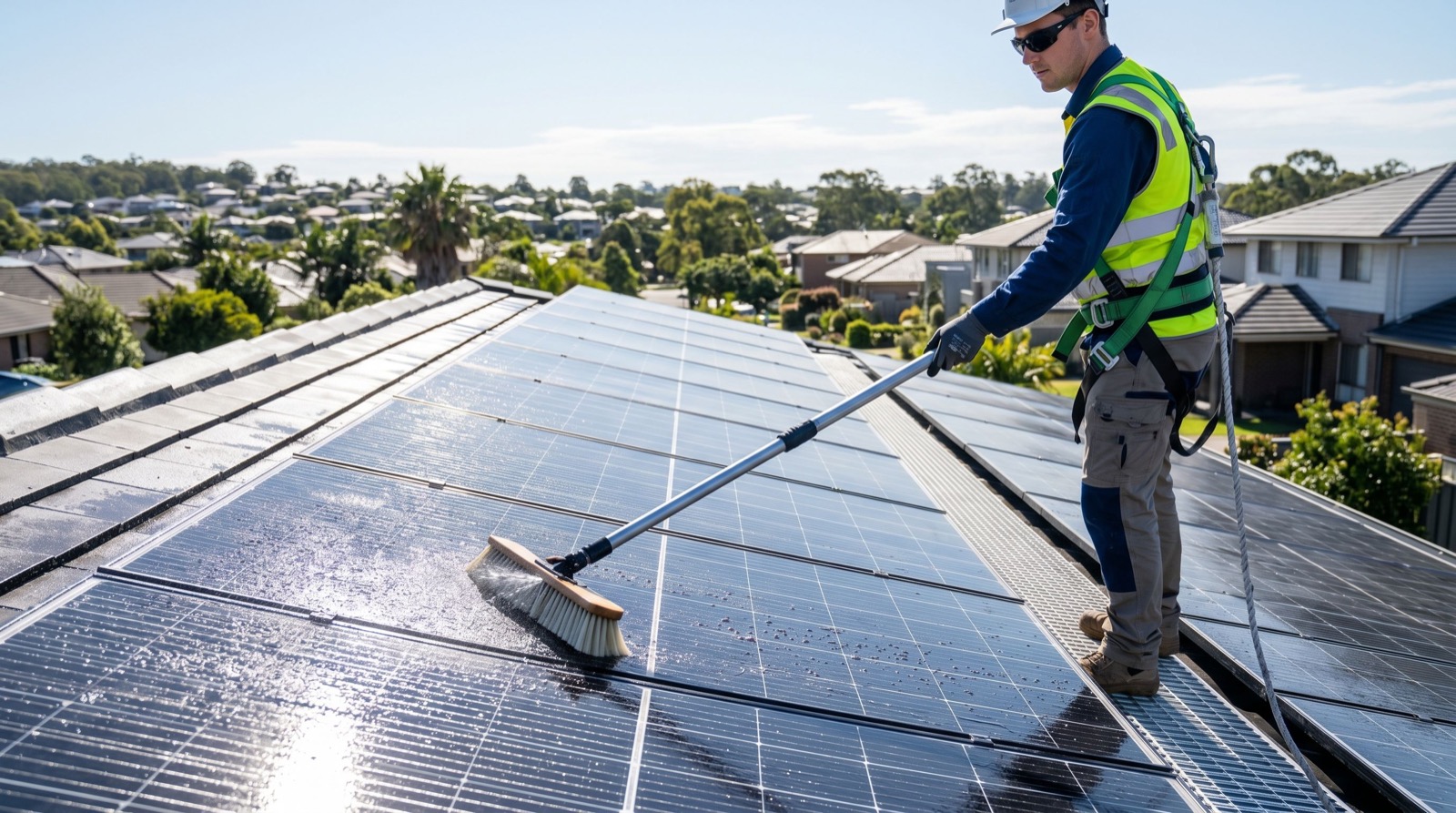
- Periodic panel cleaning, especially after dust storms, to maintain peak output.
- Occasional inverter servicing or fan replacement over the system’s life.
- Battery replacement cycles if using lead-acid storage, as covered in other guides on this topic.
These costs are minor compared to the savings generated, but factoring them into your total price expectations prevents surprises down the road.
Bottom Line on Solar Panel Pricing
The right solar panel price isn’t the lowest number on a quote sheet — it’s the number that reflects genuine Tier-1 components, proper installation, and a warranty you can actually enforce. Compare full system breakdowns rather than per-watt headlines alone, and you’ll land on a system that pays for itself reliably over its full lifespan rather than needing costly repairs within a few years.